Fiction
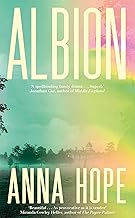
Albion by Anna Hope has many ingredients of the typical Big Country House story: a rural mansion, death and inheritance, warring siblings. Unusually, this particular house, a Greek revivalist mansion with a thousand acres of Sussex land, isn’t named; Albion is the title of a ten-year rewilding project run by Philip Brooke and daughter Frannie. Now Philip has died, and his wife and three adult children gather for his funeral. Into a potent mix of grudges and conflicting ambitions comes Clara, a young PhD student from New York, who may or may not be Philip’s daughter and who makes a well-timed announcement that causes the family members to reassess their inherited privilege. Although readers may well see what’s coming, the moment is electric, with tensions sparking off the page. With astute characterisation and scene-setting and keen observations of the natural world, this is a compelling read. I wrote more about it as one of my choices for Writers Review this year.
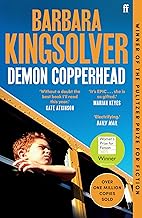
Demon Copperhead by Barbara Kingsolver, set mainly in rural Virginia, is an ingenious updating and retelling of David Copperfield. Kingsolver follows the fortunes of a bright boy born into poverty and the wrong side of luck; like Dickens’ David he’s passed from one home to another, via a range of guardians and employers. Throughout his varied experiences of harshness and kindness, Demon forms lasting friendships and discovers his talents, though this compelling depiction of rural poverty and the opioid crisis sees him and others falling into addiction. You don’t need to have read the Dickens novel to find this a moving and memorable story, but if you have you’ll enjoy meeting Kingsolver’s versions of Betsy Trotwood, Uriah Heep, Agnes and others, and predicting events as they unfold. A brilliant novel by the winner of the Women’s Prize for Fiction.
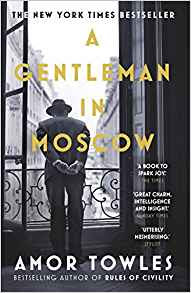
A Gentleman in Moscow by Amor Towles is unusual and engaging. In 1922 Count Alexander Ilyich Rostov is put under house arrest in the luxurious Hotel Metropol, where he stays for the next 34 years. Far from being cast down by his circumstances, the Count lives a full and varied life, forming routines and friendships, notably with two clever young girls: Nina, daughter of a Ukrainian official, and years later with her daughter Sofia to whom he becomes surrogate father. Time leaps forward with key events in the background: war, the death of Stalin, the Cold War era. Against this background, Rostov, familiar with every corridor and staircase of the hotel and eventually maître d’ of its grand restaurant, makes plans of which the reader receives only hints until everything comes together very satisfyingly at the end. Full of charm and eccentricity, this is a long but thoroughly engaging novel.
Non-fiction
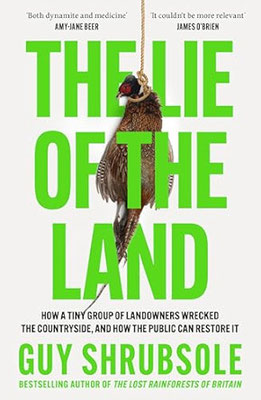
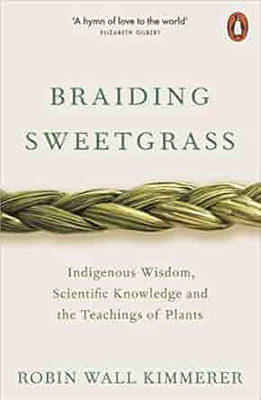
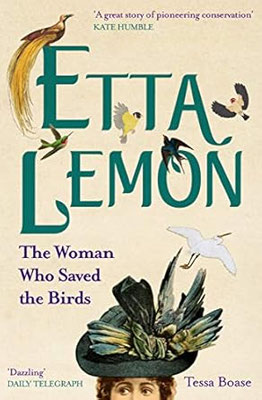
A bit of a theme here, as most of my non-fiction reading is about nature and environment, animal issues, sustainability and activism. Here are four terrific titles, each one engaging, informative and stimulating. I've reviewed Braiding Sweetgrass for Writers Review, chose The Lie of the Land in our summer roundup, and a piece on Etta Lemon will appear there shortly.
and not forgetting ...
Writers Review Publishing
which launched in 2025 with four titles: two reissues and two new novels
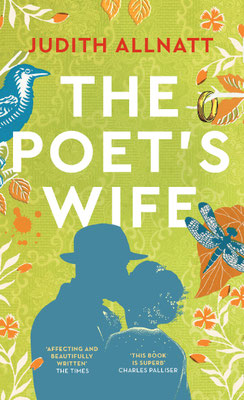
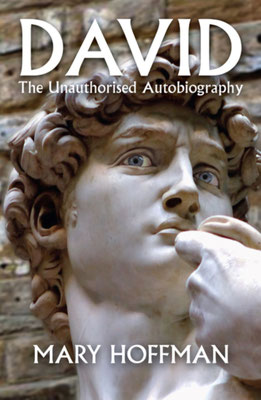
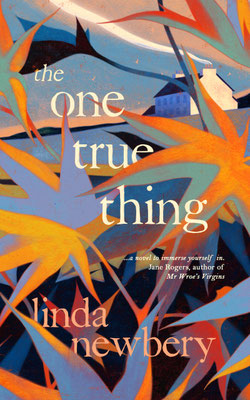
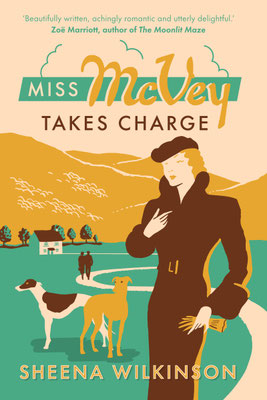
See Writers Review for Q&A features with all four authors - and follow the blog for a great reading recommendation every Monday.
Judith Allnatt talks to Adele Geras about The Poet's Wife.
Mary Hoffman talks to Celia Rees about David: the Unauthorised Autobiography.
Linda Newbery talks to Jane Rogers about The One True Thing.
Sheena Wilkinson talks to Linda Newbery about Miss McVey Takes Charge.
Find out more about Writers Review Publishing here.